
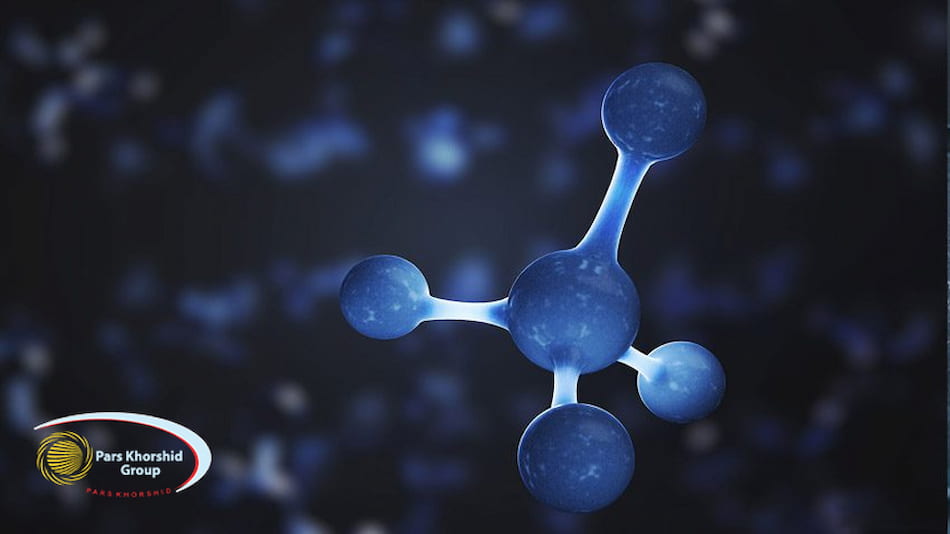
Light hydrocarbons are hydrocarbon compounds that typically contain 5 to 12 carbon atoms in their molecular structure. Due to their relatively low molecular weight, these hydrocarbons are highly valuable for the production of fuels, petrochemicals, and various industrial chemicals.
A common example of a light hydrocarbon is pentane, which contains five carbon atoms. In general, light hydrocarbons—classified by increasing molecular weight—include gasoline, naphtha, and kerosene. These products play a crucial role in energy supply chains and chemical manufacturing industries worldwide.
Characteristics of Light Hydrocarbons
Light hydrocarbons are characterized by:
-
Low boiling points
-
High volatility
-
High flammability
Because of these properties, strict safety measures must be observed during storage, transportation, and handling. Chemically, light hydrocarbons are non-polar compounds, which makes them excellent solvents for a wide range of organic materials.
Components of Light Hydrocarbons
Gasoline
Gasoline is located immediately after LPG in the distillation column. It is a highly volatile and flammable liquid with an average density of 0.68 g/cm³, allowing it to float on water.
The most important quality indicator of gasoline is its octane number—a higher octane rating indicates better resistance to engine knocking and improved fuel performance.
https://parskhorshid.co/light-hydrocarbon/
Naphtha
Naphtha is a light hydrocarbon fraction containing hydrocarbons with 5 to 12 carbon atoms. It is generally colorless but may appear yellowish if it contains a high level of aromatic compounds. In the distillation column, naphtha is positioned between gasoline and kerosene.
Naphtha is divided into:
-
Light Naphtha: Mainly used as a solvent and thinner in paints and varnishes
-
Heavy Naphtha: Used as a feedstock for solvent production and as a cleaning agent in dyeing and industrial processes
Kerosene
Kerosene was historically used for household heating and cooking, but it has largely been replaced by city gas and LPG. Today, its primary application is in aviation fuel.
Kerosene consists of hydrocarbons with 10 to 15 carbon atoms. Compared to gasoline, it has lower volatility and flammability, making it safer to handle; however, it has a higher environmental pollution potential.
Applications of Light Hydrocarbons
-
Solvents and Thinners
Widely used in the paint and coatings industry to reduce viscosity and improve workability. -
Petrochemical Feedstock
Used in plastics and rubber industries through polymerization processes to produce products such as pipes, bottles, and automotive components. -
Fuel Production
Essential in the manufacture of high-octane gasoline and jet fuel. -
Chemical Manufacturing
Applied in the production of methanol, fragrances, sunscreens, and other chemical products.
Methods of Producing Light Hydrocarbons
1. Crude Oil Distillation
In this method, crude oil first undergoes desalting and is then transferred to a heat exchanger, where its temperature rises to approximately 280°C. The oil then enters a furnace, reaching temperatures of up to 400°C, before being fed into the distillation column.
At this stage, the crude oil separates into gas and liquid phases. Light hydrocarbon vapors rise to the top of the column and condense into liquid form after passing through condensers, while heavier hydrocarbons remain at the bottom. Separation is based on differences in boiling points.
2. Blending (Mixing)
Blending involves mixing different hydrocarbon streams to achieve specific physical and chemical properties. Since products obtained directly from crude oil refining may not always meet required specifications, blending is widely used to improve quality.
Light hydrocarbons have significantly higher economic value than heavy hydrocarbons, and blending helps convert lower-value materials into commercially usable products with defined performance characteristics.
Purchasing Light Hydrocarbons
Due to their extensive applications, the global demand for light hydrocarbons has increased significantly—particularly in the petrochemical, fuel, and chemical manufacturing industries.
Before purchasing light hydrocarbons, a comprehensive quality analysis is essential. Key parameters include:
-
Boiling point range
-
Density
-
Purity level
-
Presence of impurities
-
Flash point
-
Thermal stability
These specifications directly affect safety, performance, and suitability for specific applications.
Kian Petroleum is not a direct supplier of hydrocarbons; however, when light hydrocarbons are offered on the international energy exchange, the company provides professional brokerage services. These services include:
-
Specialized consulting
-
Administrative and regulatory facilitation
-
Continuous client support
-
Market reports and analytical insights
 ۱۰ وکیل متخصص املاک در کرج (۱۴۰۴)
  دیوارپوش ماربل شیت